
History of Sushi Sushi Glossary How to Eat Sushi
Sushi arrived on our shores after travelling across the world, and brought with it a myriad of Japanese words. This influx of new and exciting language gave definitions to the equally exciting range of ingredients, flavours and methods of cooking. However, understandably, some words and phrases became lost in translation.
As purveyor of high quality sushi, we think it’s important to respect the traditions associated with this centuries-old cuisine. That includes using the correct terminology in our advertising and communications.
Therefore, we have decided to clarify common misconceptions about two particular words in the sushi vocabulary.
In fact, sushi literally translates as ‘vinegared rice’. The word refers specifically to the rice, rather than its accompaniments; however, through incorrect translation, it has been used to refer to raw fish, which is actually called ‘sashimi’.
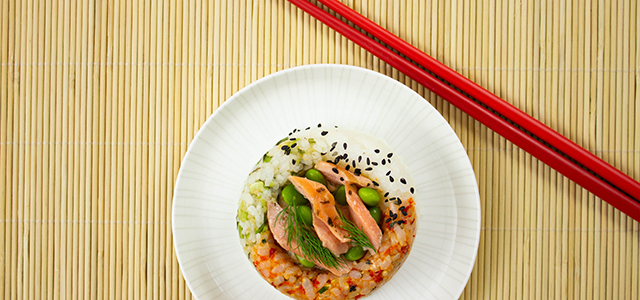
We know that the concept of sushi can be daunting to many people, so we do not use raw fish in our products. Instead, we use smoked salmon, smoked mackerel, cooked tuna and cooked prawns.
The majority of traditional sushi is fish-based, but contemporary sushi in Western countries may also contain chicken, duck, vegetables and more familiar ingredients and flavours. There are even some restaurants where sweet sushi is served.